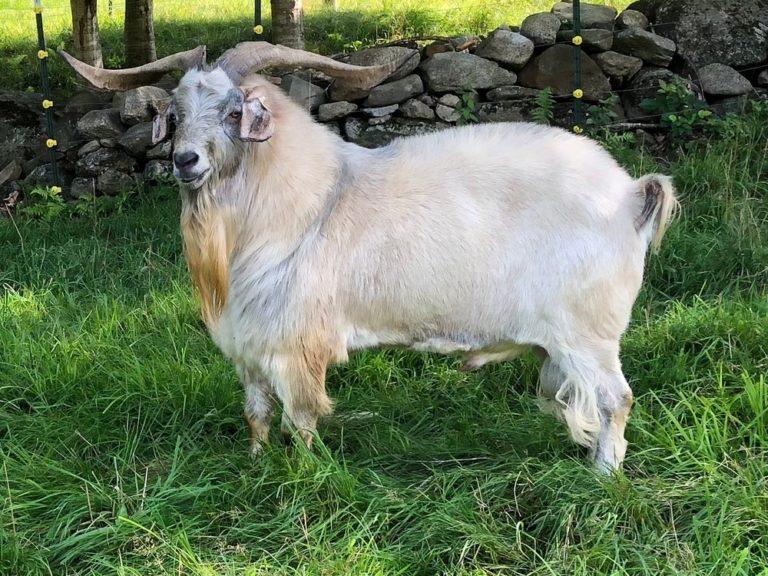
Here’s a comprehensive guide on keeping Kiko goats:
- Setting Up the Right Habitat
Fencing: Kiko goats are escape artists. A secure fence is essential. High-tensile electric fencing or woven wire with a bottom strand of barbed wire is ideal. Ensure the fence is at least 4-5 feet tall to prevent escapes.
Shelter: While Kiko goats are hardy, providing them with a shelter or barn is essential for extreme weather conditions like heavy rain, snow, or excessive heat. Ensure good ventilation and protection from drafts.
Pasture: Kiko goats thrive on pasture, which is rich in grasses, legumes, and browse (shrubs and bushes). Regularly rotate them between pastures to avoid overgrazing and help prevent parasite infestations.
Water Supply: Fresh, clean water is essential. Goats are very particular about the cleanliness of their water. Ensure they have access to fresh water at all times, and clean water troughs regularly.
Click here to buy Goats farming book
- Feeding and Nutrition
Forage: Kiko goats are browsers, meaning they prefer eating shrubs, twigs, and leaves. However, they will graze on grasses and herbs as well. Providing a mix of forage, browse, and pasture is best for their health.
Supplemental Feed: Depending on the pasture quality and time of year, Kiko goats may require supplemental grain, especially during pregnancy, lactation, or winter months. A high-quality goat feed formulated for meat goats will provide them with the necessary nutrients.
Minerals and Salt: Goats need access to a free-choice mineral supplement specifically for goats, as well as free-choice salt. This ensures they get the minerals they need for healthy growth and reproduction.
Hay: If fresh pasture is unavailable (in winter or during drought), provide high-quality hay. Alfalfa hay or a mix of grass and legume hay works best for Kiko goats.
- Health Care and Management
Hoof Care: Goats’ hooves grow rapidly, so regular trimming (every 6–8 weeks) is necessary to prevent overgrowth and discomfort. Be sure to use proper trimming tools and techniques to maintain healthy hooves.
Parasite Control: Kiko goats are known for their natural resistance to parasites, but regular deworming is still necessary. You can have fecal tests done to monitor parasite loads, and rotate dewormers to avoid resistance. Rotate pastures regularly to limit parasite buildup.
Vaccination: Ensure your Kiko goats are up to date on vaccinations for common goat diseases like Clostridial infections (CD&T vaccine) and other region-specific diseases. Consult a veterinarian for a vaccination schedule.
Breeding and Kid Management: Kiko goats are known for their ability to breed in various environments. Selective breeding can help maintain or improve traits such as size, meat quality, and parasite resistance. Separate males and females during the breeding season unless you intend for them to mate. Ensure a clean birthing area and assist the doe during labor if needed.
- Handling and Socialization
Temperament: Kiko goats are generally hardy and independent. However, they can be friendly with regular human interaction. Start handling them as kids to get them accustomed to human touch, especially if you’re planning to sell them as pets or for breeding purposes.
Herd Animals: Kiko goats are social and do best when kept with others of their kind. Keeping them in groups of at least two is essential for their mental and emotional well-being. If you’re raising multiple goats, make sure they have enough space and shelter to coexist peacefully.
Training: Kiko goats are relatively easy to train. They can be taught to come when called or follow simple commands if raised with consistent interaction. However, they can be stubborn, so positive reinforcement (food or treats) works best.
- Common Problems and Solutions
Parasites: Despite their natural resistance, Kiko goats can still suffer from internal and external parasites. Monitor them regularly and take action when necessary, such as using dewormers, rotational grazing, and keeping bedding clean.
Foot Rot: If goats are kept in wet, muddy conditions, they can be prone to foot rot. Keep the barn and pasture areas dry and well-drained, and trim hooves regularly to avoid infection.
Overheating: Although Kiko goats are hardy, in hot climates, they may suffer from heat stress. Provide shaded areas and plenty of fresh water, and avoid overworking them in the heat of the day.
Kid Mortality: Kiko goats are excellent mothers, but sometimes kids may need assistance during birth. Watch for signs of difficulty in labor, and be ready to assist if necessary. Make sure the kids are nursed within the first few hours for colostrum.
Click here to buy Comprehensive guide on how to keep goats
- Breeding Practices
Selecting Breeding Stock: When breeding Kiko goats, aim for desirable traits like good size, meat quality, parasite resistance, and strong maternal instincts. Using a carefully chosen buck and doe can improve the quality of offspring.
Breeding Seasons: Kiko goats have a natural breeding season, though they can be bred year-round in some climates. Ensure that your does are in optimal condition before breeding and keep records of breeding dates.
Care for Pregnant Does: Pregnant does need extra nutrition and care during the last trimester and after birth. Offer them extra food, and ensure they have a clean, dry space to give birth. Keep an eye on them during kidding, as some may need assistance with the birthing process.
- Profitability and Meat Production
Growth Rate and Market Demand: Kiko goats are popular for meat production due to their rapid growth rate and lean meat. If you’re raising them for profit, ensure that you’re selecting high-quality breeding stock and managing their growth for optimal meat yield.
Processing: Depending on local laws and regulations, you may need to take your goats to a licensed slaughter facility or butcher them on your farm. Be sure to check your local regulations and ensure humane slaughter practices.
- Record Keeping and Management
Tracking Health and Breeding: Keep detailed records of each goat’s health, vaccinations, breeding, and kidding dates. This will help you track the performance of your herd and make informed decisions about breeding and health management.
Financial Records: If you’re raising Kiko goats for profit, maintain records of expenses (feed, equipment, medical costs) and income (sales of goats, meat, or milk). This will help you assess the profitability of your operation.
Conclusion
Kiko goats are a hardy and adaptable breed that can thrive in various environments with the right care and management. By ensuring their health, providing proper nutrition, managing their breeding effectively, and addressing any common challenges, you can maintain a productive and healthy Kiko goat herd. With proper care, these goats will not only live healthy lives but also provide you with high-quality meat production and potentially profitable offspring.