Here’s a comprehensive guide to Toggenburg goat farming, covering everything from breed characteristics to management practices:
Toggenburg Goat Farming Guide
- Introduction to Toggenburg Goats
Toggenburg goats are one of the oldest known dairy goat breeds, originating from the Toggenburg Valley in Switzerland. Known for their excellent milk production, docile temperament, and adaptability to varied climates, they are a popular choice for commercial dairy farming.
- Breed Characteristics
Size: Medium
Weight:
Bucks: 70–90 kg
Does: 55–70 kg
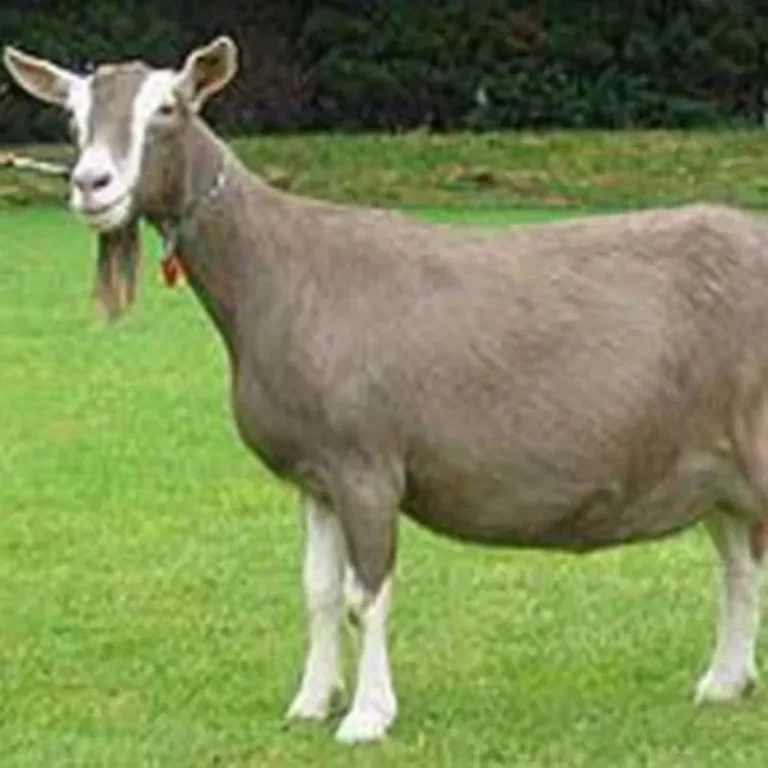
Color: Light fawn to dark chocolate with white markings on ears, face, legs, and tail.
Ears: Erect and pointed forward.
Milk Yield:
Average: 2.5 to 4 liters/day
Lactation Period: 280–300 days
Butterfat Content: 3.0–3.7%
- Planning the Farm
A. Farm Location
Well-drained, elevated area to avoid water stagnation.
Easy access to clean water and fodder sources.
Close to markets or milk processing units.
B. Housing Requirements
Ventilation: Well-ventilated but draft-free.
Space Requirements:
Adult: 1.5–2 m²/goat
Kids: 0.75–1 m²/goat
Flooring: Raised wooden or cement floors with bedding.
Cleanliness: Regular cleaning and disinfection to prevent diseases.
- Breeding Management
Breeding Age
Does: 8–10 months (weight should be ~70% of mature weight)
Bucks: 8–12 months
Breeding Season
Year-round (in tropical/subtropical climates)
Kidding
Gestation: 145–155 days
Kidding Interval: 8–12 months
Litter size: 1–3 (often twins)
- Feeding and Nutrition
Feed Types
Roughage: Grass, hay, legumes
Concentrates: Grains (maize, wheat bran), oilseed cakes, mineral mix
Supplements: Salt lick, calcium, phosphorus, vitamins
Feeding Schedule
Morning: Roughage and fresh water
Noon: Concentrates + water
Evening: More roughage or silage
Water
4–6 liters per goat/day
Clean and fresh; avoid stagnant water
- Health Management
Common Diseases
Foot rot
Mastitis
Enterotoxemia
Internal parasites (worms)
External parasites (mites, lice)
Preventive Care
Vaccination Schedule: CDT (Clostridium, Tetanus), PPR, FMD, etc.
Deworming: Every 3 months
Regular Checkups: Monthly vet visits
- Milking and Milk Handling
Milking Tips
Milking twice a day
Maintain hygiene—sanitize udder and equipment
Store milk in clean, cool containers
Milk Uses
Direct sale
Cheese, yogurt, ice cream
Soap and skincare products
- Kid Rearing
Colostrum Feeding: First 6 hours after birth (vital for immunity)
Weaning: 6–8 weeks
Nutrition:
Starter feed after 2 weeks
Gradual shift to adult diet
- Record Keeping
Track:
Breeding and kidding dates
Milk production
Feed consumption
Health and vaccinations
Expenses and revenues
- Marketing and Profitability
Marketing Options
Raw milk
Value-added products
Breeding stock
Organic manure
Tips for Success
Join cooperative societies
Develop a brand for your products
Use social media and local advertising
- Challenges and Solutions
If you'd like, I can also help you create a business plan or checklist tailored to your location and goals. Want that?